


Xpeng has disclosed additional technical details for the G7 EREV, highlighting the use of artificial intelligence to manage noise and vibration from the range-extender system. The company states that AI-based control can reduce range-extender vibration by up to 50%, with standard active noise cancellation available across all variants. The disclosure adds further clarity on the vehicle’s noise management approach ahead of its market introduction.
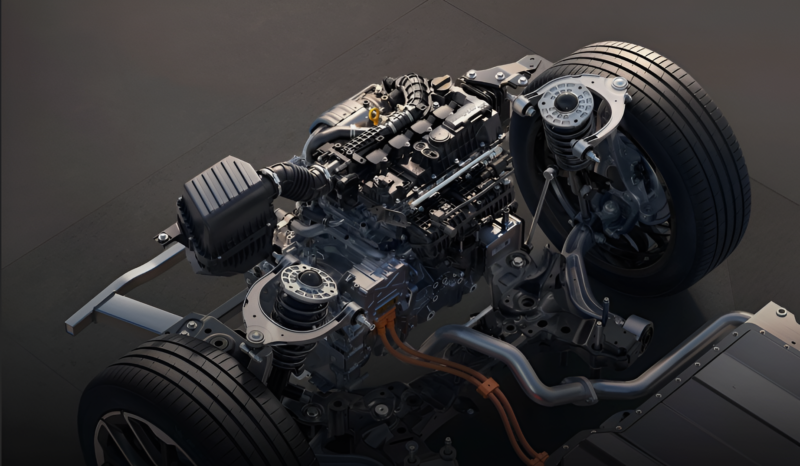
According to Xpeng, the G7 EREV is equipped with a standard combined electronic noise cancellation (ENC) and road noise cancellation (RNC) system. ENC targets noise generated by the vehicle’s own components, including the range extender, while RNC addresses external noises transmitted through the road and tires. The system works in conjunction with AI-controlled vibration management for the range extender, aiming to reduce perceptible vibration during operation and smooth the transition between electric and extended-range driving modes. Xpeng states that the AI control strategy reduces vibration by up to 50% under certain operating conditions.
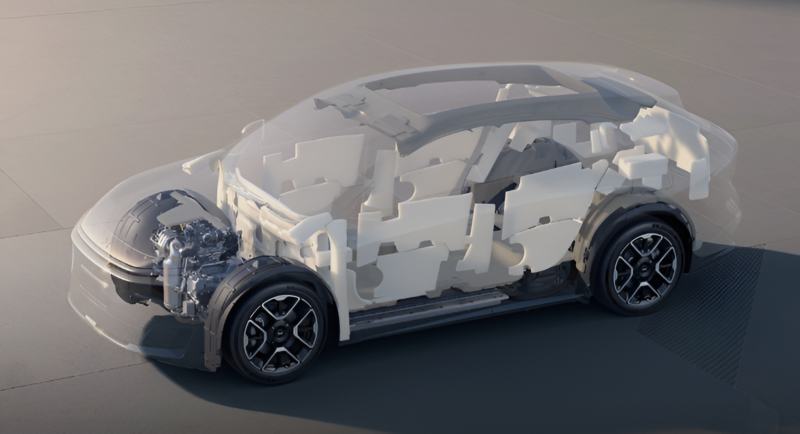
In addition to electronic noise control, Xpeng says the G7 EREV applies extensive physical sound insulation. More than 90% of the vehicle’s key areas are covered with sound-absorbing materials to block external noise. The company also states that the range extender hardware has been optimized for lower inherent noise, with single-unit noise reduced by approximately 10% compared with mainstream industry solutions.
Xpeng further notes that the G7 EREV uses AI-based energy management, which it says regulates the range extender’s operation to maintain quiet operation in most driving scenarios. This system-level control is presented as part of the vehicle’s overall noise and vibration management strategy rather than a standalone hardware feature.
The G7 EREV is the first SUV model in Xpeng’s Kunpeng extended-range electric lineup. Previously released official information states that the vehicle combines a 55.8 kWh battery with a 60-litre fuel tank compatible with 92-octane gasoline, enabling a claimed combined driving range of up to 1,704 kilometres, alongside a pure-electric driving range of up to 430 kilometres.
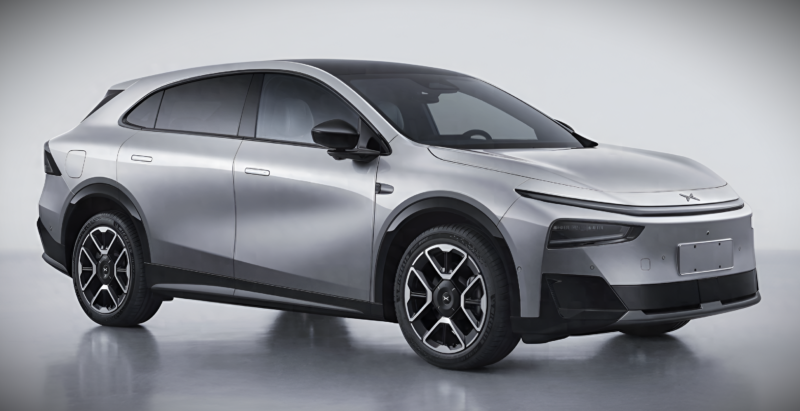
Regulatory filings with China’s Ministry of Industry and Information Technology show that the extended-range version of the G7 has been declared with a peak motor output of 218 kW and a certified pure electric range of 325 kilometres. The model is positioned as a mid-size SUV and shares its exterior design with the battery electric G7 currently on sale.
The G7 EREV measures 4,918 mm in length, 1,925 mm in width, and 1,655 mm in height, with a wheelbase of 2,890 mm. Compared with the battery electric G7, the EREV variant is 26 mm longer, while all other dimensions remain unchanged.
Recent Chinese market reports indicate that the first batch of 2026-model G7 EREV vehicles has begun dispatch to dealerships in China ahead of the official launch, marking a transition from regulatory preparation to early commercial rollout.
The battery electric Xpeng G7 currently carries a guide price range of 195,800 to 225,800 yuan, equivalent to approximately 27,950 to 32,230 USD based on current exchange rates, while pricing for the G7 EREV has not yet been announced.
Official information from Xpeng states that the G7 EREV will be launched in China on January 8, 2026, followed by a European launch on January 9, 2026.

Follow us for ev updates


